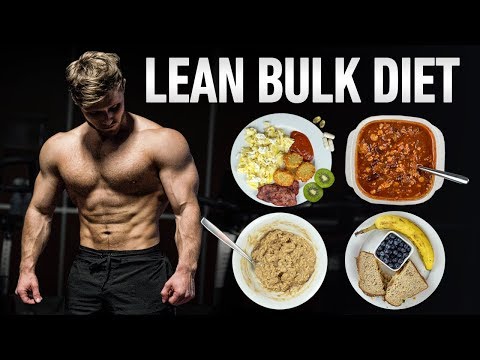
Introduction to Bodybuilding Nutrition
Bodybuilding nutrition plays a crucial role in maximizing the results of intense workouts and achieving the desired physique. It involves a strategic approach to consuming the right balance of macronutrients, including proteins, carbohydrates, and fats, tailored to support muscle growth and recovery.
Protein is particularly essential for repairing and building muscle tissues, while carbohydrates provide the energy needed for high-intensity workouts. Healthy fats play a role in hormone production and overall well-being. Additionally, adequate hydration is vital for maintaining performance and promoting recovery.
Understanding how to effectively fuel the body is fundamental for bodybuilders aiming to optimize their training efforts and achieve their desired fitness goals. By prioritizing proper nutrition, individuals can enhance their muscle-building potential and overall physical development.
Understanding Macronutrients for Bodybuilding
Understanding Macronutrients for BodybuildingMacronutrients play a crucial role in bodybuilding. They provide the essential building blocks for muscle growth and recovery. When it comes to bodybuilding, the three macronutrients that need special attention are protein, carbohydrates, and fats.Protein is the foundation of muscle development.
It helps repair damaged muscle tissue and aids in the growth of new muscle fibers. Bodybuilders often consume high amounts of lean protein sources such as chicken, fish, and tofu to meet their protein needs.Carbohydrates are the primary source of energy for intense workouts. They fuel the muscles and provide the necessary glycogen stores needed for optimal performance.
Bodybuilders often opt for complex carbohydrates like whole grains, sweet potatoes, and brown rice to sustain their energy levels.Fats, although often misunderstood, are essential for bodybuilders. They help regulate hormone production, support joint health, and provide long-lasting energy. Healthy fat sources like avocados, nuts, and olive oil are commonly included in a bodybuilder's diet.
Understanding the role of macronutrients in bodybuilding is key to achieving desired results. Balancing the right amounts of protein, carbohydrates, and fats can optimize muscle growth, aid in recovery, and improve overall performance. So, if you're serious about bodybuilding, make sure to pay attention to your macronutrient intake and fuel your body with the right nutrients for success.
The Role of Protein in Bodybuilding
Protein plays a crucial role in bodybuilding. It is an essential nutrient that helps repair and build muscle tissues, making it vital for anyone looking to maximize their gains. When we exercise, our muscles experience microscopic damage, and protein is needed to repair and rebuild these tissues, resulting in muscle growth.
Protein also provides the necessary amino acids for the production of enzymes, hormones, and antibodies, which are essential for overall health and well-being. It is recommended that bodybuilders consume a sufficient amount of protein to support their training and recovery needs. Good sources of protein include lean meats, poultry, fish, eggs, dairy products, and plant-based options such as beans and lentils.
By incorporating protein-rich foods into their diet, bodybuilders can optimize their muscle growth and enhance their athletic performance.
Choosing the Right Sources of Protein for Bodybuilding
When it comes to bodybuilding, choosing the right sources of protein is essential for muscle growth and recovery. While many people turn to meat and dairy for their protein needs, plant-based sources like lentils, chickpeas, and quinoa can be just as effective. These options not only provide protein but also offer essential vitamins, minerals, and fiber.
Additionally, incorporating protein-rich foods such as eggs, Greek yogurt, and fish into your diet can help diversify your nutrient intake. It's important to remember that a combination of protein sources, both animal and plant-based, can offer a well-rounded approach to meeting your body's needs for muscle building and overall health.
Variety is key in ensuring you get a wide range of nutrients to support your bodybuilding journey.
Calculating Protein Requirements for Bodybuilders
The Importance of Carbohydrates in Bodybuilding
Carbohydrates play a crucial role in bodybuilding. They provide the necessary fuel for intense workouts and aid in muscle recovery and growth. Without sufficient carbohydrates, the body lacks the energy needed to perform at its best. Carbs also help maintain glycogen levels, which are vital for endurance and sustained strength during training sessions.
Additionally, carbohydrates support protein synthesis, allowing muscles to repair and rebuild after intense workouts. By incorporating a well-balanced diet that includes the right amount of carbohydrates, bodybuilders can optimize their performance and achieve their fitness goals more effectively. So, remember, carbs are not the enemy but a valuable ally in your bodybuilding journey.
Types of Carbohydrates Suitable for Bodybuilders
When it comes to fueling their bodies for optimal performance, bodybuilders need to pay close attention to the types of carbohydrates they consume. While all carbohydrates provide energy, not all are created equal. Bodybuilders should focus on consuming complex carbohydrates, such as whole grains, sweet potatoes, and brown rice, as they provide a sustained release of energy and are rich in fiber.
These types of carbohydrates help maintain stable blood sugar levels and promote satiety, which is crucial for managing hunger and maintaining lean muscle mass. Additionally, bodybuilders can benefit from incorporating simple carbohydrates, like fruits and honey, into their diet during specific times, such as before or after a workout, to provide a quick source of energy.
By understanding the different types of carbohydrates and their effects on the body, bodybuilders can optimize their nutrition and support their training goals.
Determining Carbohydrate Intake for Optimal Performance
Determining carbohydrate intake for optimal performance is crucial for athletes and individuals engaged in high-intensity physical activities. Carbohydrates are the primary source of energy for the body, and consuming the right amount and type of carbs can significantly impact performance and recovery.
To determine the ideal carbohydrate intake, several factors need to be considered. These include the intensity and duration of the activity, individual goals, body composition, and training status. Generally, athletes engaging in endurance activities require higher carbohydrate intake compared to those involved in shorter, high-intensity exercises.
The recommended carbohydrate intake for optimal performance usually ranges between 5 to 12 grams per kilogram of body weight per day. However, individual needs may vary based on factors such as metabolism, training volume, and personal preferences. It is essential to work with a qualified sports nutritionist or dietitian to develop a personalized carbohydrate intake plan.
Timing is another crucial aspect of carbohydrate consumption. Consuming carbs before exercise can help fuel the body and enhance performance. During prolonged activities, consuming carbohydrates in the form of energy gels or sports drinks can provide a quick source of energy. Post-workout, consuming carbohydrates helps replenish glycogen stores and aids in muscle recovery.
It is important to note that not all carbohydrates are created equal. Optimal carbohydrate sources include whole grains, fruits, vegetables, and legumes. These provide essential nutrients, fiber, and a steady release of energy. Avoiding refined sugars and processed foods is advisable.In summary, determining carbohydrate intake for optimal performance requires considering individual factors and goals.
Working with a sports nutritionist or dietitian can help create a personalized carbohydrate intake plan. Choosing the right types of carbohydrates and timing their consumption can enhance energy levels, performance, and recovery, ultimately leading to improved athletic performance.
The Significance of Fats in Bodybuilding
Fats play a significant role in bodybuilding. Contrary to popular belief, fats are not the enemy when it comes to building muscle and achieving a lean physique. In fact, they are essential for optimal performance and overall health. Fats provide a concentrated source of energy, allowing bodybuilders to fuel intense workouts and maintain endurance during training sessions.
Additionally, fats aid in the absorption of fat-soluble vitamins, which are crucial for muscle recovery and growth. They also have a positive impact on hormone production, including testosterone, which is essential for muscle development. Furthermore, fats act as insulation and protection for vital organs, helping bodybuilders stay healthy and injury-free.
However, it is important to choose the right types of fats, such as monounsaturated and polyunsaturated fats, found in foods like avocados, nuts, and fish. Avoiding saturated and trans fats is crucial as they can increase the risk of heart disease and negatively impact overall health. In conclusion, incorporating healthy fats into a bodybuilding diet is essential for maximizing performance, enhancing muscle growth, and maintaining overall well-being.
Healthy Sources of Fats for Bodybuilders
Healthy sources of fats for bodybuilders include foods such as avocados, nuts, seeds, and fatty fish like salmon. Incorporating these fats into a balanced diet can provide essential nutrients and support overall health and muscle recovery for bodybuilders.

No comments:
Post a Comment