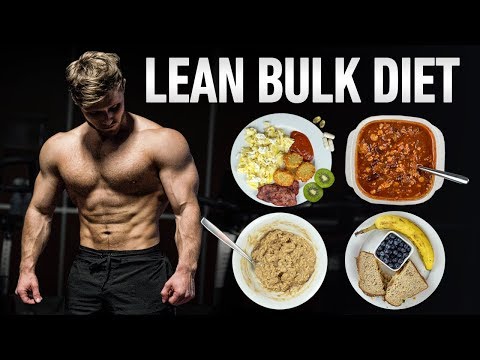
Balancing Carbs, Protein, And Fats For Muscle Growth

Balancing Carbs, Protein, And Fats For Muscle Growth

Hello, fitness enthusiasts! How are you? Balancing your macronutrients - carbs, protein, and fats - is essential for maximizing muscle growth and achieving your fitness goals. It's not just about hitting the gym; what you eat plays a crucial role in sculpting your body. Understanding how to balance these nutrients is the key to unlocking your body's potential. So, let's dive into the science of nutrition and learn how to optimize your diet for muscle growth. Please continue reading to discover the secrets of fueling your body for success.


The Importance of Macronutrient Balance for Muscle Growth

The Importance of Macronutrient Balance for Muscle GrowthWhen it comes to building muscle, many people focus solely on their workout routine and forget about the importance of nutrition. However, achieving optimal muscle growth requires more than just lifting weights. One key factor that often gets overlooked is macronutrient balance.

Macronutrients, which include proteins, carbohydrates, and fats, are essential for fueling the body and supporting muscle growth. Each macronutrient plays a unique role in the muscle-building process. Proteins, for instance, are the building blocks of muscle tissue and provide the necessary amino acids for repair and growth.

Carbohydrates, on the other hand, serve as the primary fuel source during intense workouts and help replenish glycogen stores. Lastly, fats play a crucial role in hormone production, which is essential for muscle growth and recovery.Finding the right balance of macronutrients is crucial for maximizing muscle growth.

This balance will vary depending on individual goals, body type, and activity level. A high-protein diet is commonly recommended for muscle growth, as it provides the necessary amino acids for muscle repair and growth. Carbohydrates should also be included in the diet, as they provide the energy needed for intense workouts.

Healthy fats should not be neglected either, as they play a role in hormone production and overall health.In conclusion, achieving optimal muscle growth requires more than just hitting the gym. Macronutrient balance is a key component that should not be overlooked. By ensuring an adequate intake of proteins, carbohydrates, and fats, individuals can support muscle growth, enhance recovery, and achieve their fitness goals.

So, next time you're planning your meals, remember to pay attention to your macronutrient balance for optimal muscle growth.

Understanding Carbohydrates, Proteins, and Fats for Muscle Building

Sure, here's your paragraph:Carbohydrates, proteins, and fats are essential for muscle building. Carbohydrates provide the energy needed for intense workouts, while proteins are the building blocks for muscle repair and growth. Fats play a role in hormone production, which is crucial for muscle development.

Understanding the role of each macronutrient is key to optimizing muscle-building efforts.

The Role of Carbohydrates in Muscle Growth and Performance

Carbohydrates play a crucial role in muscle growth and performance. When it comes to fueling your workouts and maximizing your athletic performance, carbohydrates are your best friend. These macronutrients are the primary source of energy for your muscles during exercise. They are broken down into glucose, which is then used as fuel to power your workouts.

Carbohydrates also help replenish glycogen stores in your muscles after intense exercise, allowing for faster recovery and improved performance in subsequent workouts. Additionally, carbohydrates stimulate the release of insulin, a hormone that promotes muscle protein synthesis and helps drive nutrients into your muscle cells.

This is essential for muscle repair and growth. So, if you're looking to optimize your muscle growth and performance, make sure to include an adequate amount of carbohydrates in your diet. Remember, they are not the enemy but rather a valuable ally in your fitness journey.

Protein: The Building Block for Muscle Development

Protein is a crucial component when it comes to muscle development. It serves as the building block for repairing and building new muscle tissue. Without an adequate protein intake, muscle growth and development can be compromised. When we engage in physical activities such as weightlifting or resistance training, our muscles undergo stress and micro-tears.

Protein plays a vital role in repairing these tears and promoting muscle growth. Additionally, protein provides the necessary amino acids that our body needs to synthesize new muscle tissue. Therefore, ensuring that we consume enough protein through our diet is essential for optimal muscle development.

Fats and Muscle Growth: Finding the Right Balance

Ketika berbicara tentang pertumbuhan otot, seringkali kita berfokus pada latihan fisik dan pola makan yang tepat. Namun, ada satu aspek yang sering diabaikan: lemak. Faktanya, lemak memiliki peran penting dalam pertumbuhan otot yang optimal.Sebagian orang mungkin berpikir bahwa lemak hanya akan menghambat upaya membangun otot.

Namun, ini adalah pemahaman yang salah. Lemak sebenarnya diperlukan untuk menyediakan energi yang cukup selama latihan intensitas tinggi, yang pada gilirannya dapat membantu meningkatkan pertumbuhan otot.Namun, penting untuk menemukan keseimbangan yang tepat antara lemak dan otot. Terlalu banyak lemak dalam tubuh dapat menghambat proses pembentukan otot, sementara terlalu sedikit lemak dapat mengganggu fungsi tubuh secara keseluruhan.

Penting untuk memilih jenis lemak yang sehat, seperti lemak tak jenuh tunggal dan lemak tak jenuh gKamu, yang dapat ditemukan dalam makanan seperti alpukat, kacang-kacangan, dan minyak zaitun. Menghindari lemak jenuh dan trans sangat disarankan.Jadi, ingatlah bahwa lemak bukanlah musuh dalam perjalanan membangun otot.

Dengan mencapai keseimbangan yang tepat antara lemak dan otot, Kamu dapat mencapai hasil yang lebih baik dalam program latihan dan diet Kamu.

Calculating Your Macronutrient Needs for Optimal Muscle Growth

Calculating Your Macronutrient Needs for Optimal Muscle GrowthTo achieve optimal muscle growth, it is essential to pay attention to your macronutrient needs. Macronutrients, which include protein, carbohydrates, and fats, play a crucial role in providing the necessary fuel for muscle repair and growth.

Calculating your macronutrient needs can help ensure that you are consuming the right amount of each nutrient.First, determine your daily protein intake. Aim for around 1 gram of protein per pound of body weight. For example, if you weigh 150 pounds, you should consume approximately 150 grams of protein per day.

Next, calculate your carbohydrate intake. This will depend on your activity level and goals. For muscle growth, aim for around 2-3 grams of carbohydrates per pound of body weight. So, if you weigh 150 pounds, you should consume 300-450 grams of carbohydrates per day.Lastly, determine your fat intake.

Aim for around 0.3-0.5 grams of fat per pound of body weight. For a 150-pound individual, this would be approximately 45-75 grams of fat per day.Remember, these calculations are just starting points. It is essential to listen to your body and adjust your macronutrient intake based on your progress and goals.

Consult with a registered dietitian or nutritionist for personalized recommendations. With proper macronutrient calculations, you can optimize muscle growth and achieve your fitness goals.

The Benefits of Balanced Nutrition for Muscle Building

Balanced nutrition plays a crucial role in supporting muscle building and overall fitness. By providing essential nutrients such as protein, carbohydrates, healthy fats, vitamins, and minerals, a well-rounded diet helps to optimize muscle growth and repair. Adequate protein intake, in particular, is vital for muscle development, as it provides the necessary building blocks for muscle tissue.

Additionally, carbohydrates supply the energy needed for intense workouts, while healthy fats aid in hormone production and overall health. Moreover, a balanced diet supports recovery after exercise, reduces the risk of injury, and enhances overall performance. Therefore, prioritizing balanced nutrition not only promotes muscle building but also contributes to long-term health and well-being.

The Impact of Carbs, Protein, and Fats on Muscle Recovery

The impact of carbs, protein, and fats on muscle recovery is significant. Carbohydrates provide the body with a quick source of energy, which is crucial for intense workouts. They replenish glycogen stores and help prevent muscle breakdown. Protein plays a key role in repairing and building muscles.

It provides essential amino acids that support muscle recovery and growth. Including lean sources of protein in your diet, such as chicken, fish, and tofu, can optimize muscle recovery. Fats also play a role in muscle recovery by providing long-lasting energy and aiding in the absorption of fat-soluble vitamins.

However, it's important to choose healthy fats like avocados, nuts, and olive oil. Balancing the intake of carbs, protein, and fats is crucial for maximizing muscle recovery and optimizing athletic performance.

Balancing Macronutrients for Different Stages of Muscle Building

Balancing macronutrients is crucial for optimizing muscle building at different stages. Whether you're a beginner or an experienced lifter, understanding the right distribution of protein, carbohydrates, and fats can help you achieve your muscle-building goals.During the bulking phase, when the goal is to gain muscle mass, protein plays a key role.

Aim for a protein intake of around 1.2-2.0 grams per kilogram of body weight to support muscle repair and growth. Include lean sources like chicken, fish, and tofu in your meals.Next, focus on carbohydrates. They provide the energy needed for intense workouts. Complex carbs like whole grains, fruits, and vegetables should make up the majority of your carbohydrate intake.

Aim for around 45-65% of your total daily calories.Lastly, don't neglect fats. They aid in hormone production and help absorb fat-soluble vitamins. Include healthy fats from sources like avocados, nuts, and olive oil. Aim for around 20-35% of your daily calorie intake.Remember, individual needs may vary based on factors such as body composition and activity level.

Consulting a registered dietitian or nutritionist can help create a personalized macronutrient plan tailored to your specific goals. Stay consistent with your nutrition and training, and you'll be on your way to building muscle effectively.

The Significance of Timing Your Macronutrient Intake for Muscle Growth

Timing your macronutrient intake is crucial for maximizing muscle growth. Consuming the right balance of protein, carbohydrates, and fats at specific times can enhance muscle protein synthesis and support overall recovery. For example, consuming a high-protein meal or supplement after resistance training can promote muscle repair and growth due to increased sensitivity to protein intake.

Similarly, consuming carbohydrates before and after workouts can replenish glycogen stores and support muscle recovery. Additionally, consuming fats at certain times, such as with meals that are not close to exercise, can help regulate hormone production and support overall health. Therefore, timing your macronutrient intake strategically can have a significant impact on muscle growth and overall performance.

Adjusting Macronutrient Ratios for Specific Fitness Goals

When it comes to achieving specific fitness goals, adjusting macronutrient ratios is crucial. Macronutrients, which include carbohydrates, proteins, and fats, play a vital role in providing energy and building blocks for the body. For those aiming to lose weight, reducing carbohydrate intake and increasing protein and fat consumption can be effective.

This helps to control insulin levels and promote fat burning. On the other hand, individuals looking to build muscle may benefit from a higher carbohydrate intake to fuel workouts and support muscle recovery. Additionally, protein intake should be increased to provide the necessary building blocks for muscle growth.

For overall health and maintenance, a balanced macronutrient ratio is recommended, with a focus on whole foods and nutrient-dense choices. It is important to consult with a healthcare professional or registered dietitian to determine the most appropriate macronutrient ratios based on individual needs and goals.

The Role of Carbohydrates in Muscle Glycogen Storage

Carbohydrates play a crucial role in muscle glycogen storage. When consumed, carbohydrates are broken down into glucose, which is then stored as glycogen in the muscles. This stored glycogen serves as a readily available source of energy during physical activity, especially during high-intensity exercises.

By replenishing muscle glycogen stores, carbohydrates help to enhance athletic performance and delay the onset of fatigue. Additionally, carbohydrates aid in muscle recovery by promoting the synthesis of glycogen after exercise. Therefore, including an adequate amount of carbohydrates in the diet is essential for athletes and individuals engaging in regular physical activity to optimize muscle glycogen storage and support their overall performance and recovery.

Choosing the Right Protein Sources for Muscle Development

Choosing the right protein sources for muscle development is crucial for achieving fitness goals. High-quality protein options such as lean meats, poultry, fish, eggs, and dairy products provide essential amino acids that support muscle growth and repair. Plant-based protein sources like lentils, chickpeas, quinoa, and tofu are excellent alternatives for those following a vegetarian or vegan diet.

Additionally, protein supplements such as whey, casein, and pea protein can be convenient options to meet daily protein requirements. It's important to consider the overall nutritional value and digestibility of the protein sources to optimize muscle development. By incorporating a variety of protein sources into your diet, you can effectively support your muscle-building efforts and enhance overall physical performance.

The Importance of Dietary Fats for Hormone Regulation in Muscle Growth

Dietary fats play a crucial role in hormone regulation, especially in the context of muscle growth. Fats are essential for the production of hormones such as testosterone, which is a key driver of muscle growth and repair. Additionally, fats help to maintain proper levels of insulin, which is important for transporting nutrients into muscle cells.

Omega-3 fatty acids, found in fish and flaxseed, have been linked to increased muscle protein synthesis. It's important to emphasize the consumption of healthy fats from sources like avocados, nuts, and olive oil to support hormone balance and optimize muscle growth. In conclusion, a well-rounded diet that includes healthy fats is vital for maintaining optimal hormone levels and promoting muscle growth.

Strategies for Increasing Carbohydrate Intake for Muscle Gain

When it comes to increasing carbohydrate intake for muscle gain, strategic planning is essential. Start by incorporating complex carbohydrates such as whole grains, sweet potatoes, and legumes into your meals to provide a steady source of energy for your workouts. Additionally, timing your carbohydrate consumption around your training sessions can optimize muscle glycogen stores and support recovery.

Don't overlook the importance of post-workout nutrition, as consuming a combination of protein and carbohydrates within the first hour after training can promote muscle repair and growth. Experimenting with different carbohydrate sources and monitoring how your body responds to varying intake levels can help you determine the most effective strategy for your individual needs.

Remember, achieving muscle gain through increased carbohydrate intake requires a personalized approach and careful attention to your body's signals.


FOR MORE DETAILS WATCH THIS VIDEO
#Tag Artikel


Optimizing Muscle Growth Through Proper Nutrition

Optimizing Muscle Growth Through Proper Nutrition


The Role of Protein in Muscle Growth

Tentu, saya bisa membantu Kamu dengan itu. Protein memainkan peran penting dalam pertumbuhan otot. Ketika seseorang berolahraga, serat otot mereka mengalami kerusakan mikroskopis. Protein membantu memperbaiki kerusakan ini dan memungkinkan otot untuk tumbuh lebih besar dan lebih kuat. Selain itu, protein juga diperlukan untuk membentuk enzim dan hormon yang mendukung proses pertumbuhan otot.

Penting untuk memperhatikan asupan protein Kamu, terutama setelah latihan, untuk mendukung pertumbuhan dan pemulihan otot yang optimal. Dengan memasukkan sumber protein berkualitas tinggi ke dalam pola makan Kamu, Kamu dapat mendukung tujuan pertumbuhan otot Kamu.

Essential Amino Acids for Muscle Building

Essential amino acids play a crucial role in muscle building and repair. These amino acids cannot be produced by the body and must be obtained through the diet or supplements. There are nine essential amino acids: histidine, isoleucine, leucine, lysine, methionine, phenylalanine, threonine, tryptophan, and valine.

These amino acids are the building blocks of proteins, which are essential for muscle growth and repair. Leucine, in particular, is known to stimulate muscle protein synthesis and is often referred to as the "anabolic trigger." Including a variety of protein sources in your diet ensures that you're getting all the essential amino acids your body needs for muscle building.

Some good sources of essential amino acids include lean meats, fish, eggs, dairy products, legumes, and soy products. Consuming these foods in combination can help maximize muscle protein synthesis and support your muscle-building goals. So, make sure to include essential amino acids in your diet for optimal muscle growth and recovery.

Optimal Carbohydrate Intake for Muscle Growth

Optimal carbohydrate intake plays a crucial role in promoting muscle growth and development. Carbohydrates serve as the primary energy source for our bodies, especially during intense physical activities such as weightlifting and resistance training. Consuming an appropriate amount of carbohydrates is essential for replenishing glycogen stores in the muscles and providing the energy needed for optimal performance.

When it comes to muscle growth, carbohydrates are not to be overlooked. They help to stimulate the release of insulin, a hormone that aids in muscle protein synthesis. Insulin helps transport amino acids into the muscles, where they are utilized for muscle repair and growth. Therefore, consuming an adequate amount of carbohydrates post-workout can enhance muscle recovery and promote muscle hypertrophy.

The ideal carbohydrate intake for muscle growth varies depending on various factors such as body composition, activity level, and individual goals. However, a general guideline is to consume around 3-5 grams of carbohydrates per kilogram of body weight per day for those looking to build muscle. This range ensures that enough carbohydrates are available to support muscle growth without excessive fat gain.

It is also important to consider the timing of carbohydrate consumption. Consuming carbohydrates before a workout provides the necessary energy for a productive workout session. On the other hand, consuming carbohydrates after a workout helps replenish glycogen stores and supports muscle recovery. Including a mix of complex carbohydrates, such as whole grains, fruits, and vegetables, in the diet can provide a steady release of energy throughout the day.

While carbohydrates are important for muscle growth, it is equally important to consider the quality of carbohydrates consumed. Opt for nutrient-dense carbohydrates such as whole grains, legumes, and fruits, which provide additional vitamins, minerals, and fiber. These carbohydrates are not only beneficial for muscle growth but also support overall health and well-being.

In conclusion, optimal carbohydrate intake is crucial for muscle growth. Consuming an appropriate amount of carbohydrates, timing carbohydrate intake strategically, and choosing nutrient-dense carbohydrates can all contribute to maximizing muscle growth and development. It is recommended to consult with a healthcare professional or a registered dietitian to determine the most suitable carbohydrate intake for individual goals and needs.

The Importance of Healthy Fats in Muscle Development

The Importance of Healthy Fats in Muscle DevelopmentHealthy fats play a crucial role in muscle development and overall fitness. While many people associate fats with weight gain and negative health effects, it is important to understand that not all fats are created equal. Healthy fats, such as monounsaturated and polyunsaturated fats, are essential for supporting muscle growth and maintaining optimal health.

One of the key benefits of healthy fats is their ability to provide a concentrated source of energy. Fats are more calorie-dense than carbohydrates and proteins, which means they can provide sustained energy for intense workouts and help fuel muscle growth. In addition, fats are necessary for the absorption of fat-soluble vitamins, such as vitamins A, D, E, and K, which are crucial for overall health and muscle development.

Healthy fats also support hormone production, including testosterone, which is essential for muscle growth and repair. Testosterone is a key hormone that helps increase muscle protein synthesis and decreases muscle breakdown. Therefore, consuming adequate amounts of healthy fats can help optimize testosterone levels and promote muscle development.

Furthermore, healthy fats provide structural support for cell membranes and help maintain the integrity of muscle fibers. Omega-3 fatty acids, found in fatty fish like salmon, help reduce inflammation and promote muscle recovery after intense exercise. These fats also support joint health, which is important for maintaining proper form and preventing injuries during workouts.

In conclusion, healthy fats are an integral part of a balanced diet for muscle development and overall fitness. Including sources of healthy fats, such as avocados, nuts, seeds, and fatty fish, can provide numerous benefits for muscle growth, energy production, hormone regulation, and recovery. Remember, not all fats are bad, and choosing the right fats can make a significant difference in your muscle-building journey.

Nutrient Timing for Maximizing Muscle Growth

Nutrient timing is crucial for maximizing muscle growth. Consuming the right nutrients at the right times can significantly impact muscle protein synthesis and recovery. Pre-workout nutrition should include carbohydrates and protein to fuel the workout and prevent muscle breakdown. Post-workout, a combination of protein and carbohydrates can enhance muscle repair and glycogen replenishment.

Additionally, consuming a protein-rich meal before bed can promote overnight muscle protein synthesis. Distributing protein intake evenly throughout the day, about every 3-4 hours, can also optimize muscle protein synthesis. Overall, timing protein and carbohydrate intake around workouts and throughout the day can effectively support muscle growth and recovery.

It's important to personalize nutrient timing based on individual goals, preferences, and training schedule.

The Impact of Calorie Surplus on Muscle Building

The Impact of Calorie Surplus on Muscle BuildingCalorie surplus plays a crucial role in muscle building. When you consume more calories than your body needs for maintenance, it creates an energy surplus. This surplus is then utilized by your body to build and repair muscle tissues.To build muscle, you need to provide your body with an excess of calories, primarily from protein-rich foods.

These extra calories supply the energy required for muscle growth and repair. Additionally, the surplus helps create an anabolic environment in your body, promoting the synthesis of new muscle proteins.However, it's important to note that the impact of calorie surplus on muscle building differs for individuals.

Factors like genetics, training intensity, and overall diet quality also come into play. While a surplus is necessary for muscle growth, excessive calorie intake can lead to unwanted fat gain.In conclusion, maintaining a calorie surplus, along with a balanced diet and appropriate training, can support muscle building.

It's crucial to find the right balance to optimize your progress and achieve your desired physique.

Muscle-Building Supplements: Fact or Fiction?

Muscle-building supplements have been a topic of debate among fitness enthusiasts for years. Some swear by their effectiveness, while others dismiss them as mere fiction. With a plethora of options flooding the market, it's easy to get lost in the hype. But what's the truth behind these products? Are they truly essential for gaining muscle, or are they just clever marketing ploys?

While some supplements may provide benefits when used in conjunction with a proper diet and exercise routine, it's important to approach them with caution. Understanding their potential impact on individual body chemistry is crucial. Ultimately, the verdict on muscle-building supplements remains a blend of fact and fiction, requiring careful consideration and informed decision-making.

Hydration and Muscle Growth: The Connection

Hydration plays a vital role in muscle growth and overall athletic performance. When the body is properly hydrated, it can effectively transport nutrients to the muscles, aiding in their recovery and growth. Dehydration, on the other hand, can lead to decreased muscle strength and endurance. It's important to drink an adequate amount of water before, during, and after exercise to support muscle development.

Additionally, staying hydrated helps to maintain the body's temperature regulation and lubrication of joints, further supporting optimal muscle function and growth.

Micronutrients and Their Impact on Muscle Development

Micronutrients play a crucial role in muscle development. These essential nutrients, such as vitamins and minerals, are required in small quantities but have a significant impact on our overall health and well-being. When it comes to muscle development, certain micronutrients are particularly important.

Protein, for instance, is essential for muscle repair and growth. Vitamin D helps with calcium absorption, which is necessary for muscle contraction. Magnesium plays a role in muscle relaxation and energy production. Iron is needed for oxygen transport to the muscles, while zinc is involved in protein synthesis.

B vitamins, including B6 and B12, contribute to energy production and muscle function. Omega-3 fatty acids have anti-inflammatory properties, which can aid in muscle recovery. It is important to maintain a well-balanced diet that includes these micronutrients to support optimal muscle development and overall fitness.

Pre- and Post-Workout Nutrition Strategies for Muscle Growth

Pre- and Post-Workout Nutrition Strategies for Muscle GrowthWhen it comes to optimizing muscle growth, paying attention to pre- and post-workout nutrition is crucial. Prior to hitting the gym, consuming a balanced meal that includes carbohydrates, protein, and healthy fats can provide the necessary energy and nutrients for a productive workout.

Following exercise, refueling the body with a combination of protein and carbohydrates helps to promote muscle repair and growth. It's also important to stay hydrated throughout the entire process, as adequate hydration supports optimal muscle function. By strategically planning pre- and post-workout nutrition, individuals can effectively support their muscle growth goals and overall fitness performance.

Understanding Muscle Protein Synthesis for Optimal Muscle Growth

Muscle protein synthesis is a crucial process for anyone interested in optimizing muscle growth. It refers to the creation of new muscle proteins in response to exercise and dietary protein intake. Understanding this process is essential for developing effective training and nutrition strategies.When we engage in resistance training, our muscle fibers experience microscopic damage.

This damage triggers a series of events that ultimately lead to muscle protein synthesis. Consuming an adequate amount of high-quality protein is vital as it provides the necessary amino acids for muscle protein synthesis. Additionally, timing protein intake around workouts can enhance the rate of synthesis.

Maximizing muscle protein synthesis requires a balanced approach. Resistance training stimulates the process, while proper nutrition provides the building blocks. It is important to consume enough protein throughout the day and distribute it evenly across meals to support muscle growth and repair. Additionally, incorporating a variety of protein sources can ensure a complete amino acid profile.

In conclusion, understanding muscle protein synthesis is key to achieving optimal muscle growth. By combining effective resistance training with proper nutrition, individuals can enhance this process and maximize their muscle-building potential.

The Role of Fiber in Muscle Building and Recovery

Fiber plays a crucial role in muscle building and recovery. It aids in digestion and nutrient absorption, ensuring that the body receives the necessary nutrients for muscle growth and repair. Additionally, fiber helps regulate blood sugar levels, which is essential for maintaining energy levels during workouts and promoting muscle recovery post-exercise.

Moreover, fiber also supports a healthy gut microbiome, which is linked to improved overall health and better nutrient utilization. Including a variety of fiber-rich foods such as fruits, vegetables, whole grains, and legumes in the diet can contribute to better muscle building and faster recovery, making it an integral part of a well-rounded nutrition plan for athletes and fitness enthusiasts.

The Influence of Sleep on Muscle Growth and Repair

Adequate sleep is crucial for muscle growth and repair. During sleep, the body releases growth hormone, which plays a key role in tissue growth and muscle repair. Additionally, sleep promotes protein synthesis, aiding in the recovery and rebuilding of muscles after exercise or injury. Lack of sleep, on the other hand, can lead to decreased muscle recovery, increased muscle breakdown, and reduced muscle growth.

Furthermore, insufficient sleep can negatively impact athletic performance and overall physical well-being. Therefore, ensuring sufficient and quality sleep is essential for maximizing muscle growth, repair, and overall physical performance. Prioritizing rest and sleep is vital for anyone seeking to optimize their muscle growth and recovery.

The Impact of Stress on Muscle Development

Stress can significantly impact muscle development. When the body is under stress, it releases cortisol, a hormone that can hinder muscle growth and recovery. High levels of stress can lead to muscle tension, making it harder to achieve optimal performance during workouts. Additionally, stress can also affect sleep patterns, which is crucial for muscle recovery and growth.

Finding ways to manage and reduce stress, such as through relaxation techniques, meditation, and adequate rest, is essential for anyone looking to maximize their muscle development. By addressing the impact of stress on muscle development, individuals can take proactive steps to optimize their fitness journey and overall well-being.

Muscle-Building Foods to Include in Your Diet

Including the right foods in your diet is crucial for building muscle. High-protein options like chicken, turkey, and fish provide essential amino acids that aid in muscle repair and growth. Additionally, dairy products such as Greek yogurt and cottage cheese are rich in casein protein, which is slow-digesting and ideal for overnight muscle recovery.

Legumes like lentils and chickpeas offer a mix of protein and complex carbohydrates, perfect for sustained energy during workouts. Don't forget about healthy fats found in nuts, seeds, and avocados, as they support hormone production and overall health. Lastly, colorful fruits and vegetables provide antioxidants and phytonutrients that help reduce inflammation and support optimal muscle function.

Incorporating these muscle-building foods into your diet can aid in achieving your fitness goals.


Top Foods To Enhance Your Bodybuilding Workouts

Top Foods To Enhance Your Bodybuilding Workouts

Hello, how are you? Welcome to this article about the top foods to enhance your bodybuilding workouts. We're excited to share with you some valuable information that will take your fitness journey to the next level. Whether you're a seasoned bodybuilder or just starting out, incorporating the right foods into your diet is essential for maximizing your gains and fueling your workouts. So, without further ado, let's dive into the world of nutritious, muscle-building foods. But before we do, please continue reading to discover the secrets behind optimizing your bodybuilding routine.


Protein-Packed Foods for Muscle Growth

Protein plays a crucial role in muscle growth and repair. Including protein-packed foods in your diet can help support your fitness goals. One excellent source of protein is lean meats such as chicken, turkey, and beef. These meats are not only rich in protein but also provide essential amino acids necessary for muscle recovery.

Another great option is fish, especially fatty fish like salmon and tuna, which are not only high in protein but also contain omega-3 fatty acids, known for their anti-inflammatory benefits.Vegetarians and vegans can opt for plant-based protein sources such as tofu, tempeh, and legumes like chickpeas, lentils, and beans.

These foods are not only high in protein but also packed with fiber, vitamins, and minerals. Additionally, dairy products like Greek yogurt and cottage cheese are excellent protein choices, as they are low in fat and high in calcium.Remember to vary your protein sources to ensure you're getting a wide range of nutrients.

Whether you choose animal or plant-based proteins, incorporating protein-rich foods into your meals can help support muscle growth and overall health. So, make sure to include these protein-packed foods in your diet to achieve your fitness goals.

Carb-Rich Foods for Energy and Endurance

Carbohydrates are often regarded as the body's main source of energy, especially for endurance activities. These carb-rich foods provide the necessary fuel to keep us going during workouts, sports, and other physically demanding tasks. From pasta and rice to potatoes and whole grains, there are plenty of options to choose from.

These foods are not only delicious but also packed with essential nutrients like fiber, vitamins, and minerals. Incorporating carb-rich foods into your diet can help replenish glycogen stores in your muscles, improve performance, and enhance endurance. So, the next time you're looking for an energy boost, reach for a plate of carb-rich goodness.

Your body will thank you!

Healthy Fats to Support Muscle Recovery

Sure, here's the article paragraph in English:Healthy fats play a crucial role in supporting muscle recovery. Including sources of healthy fats in your diet, such as avocados, nuts, and fish, can aid in reducing inflammation and promoting muscle repair after exercise. Omega-3 fatty acids, found in fish and flaxseeds, are particularly beneficial for reducing muscle soreness and supporting overall muscle health.

Additionally, incorporating olive oil and coconut oil into your meals can provide a healthy dose of monounsaturated and saturated fats, which are essential for optimal muscle function and recovery. By prioritizing these healthy fats in your diet, you can effectively support your body's ability to recover and build muscle mass.

Nutrient-Dense Pre-Workout Snacks

Sure, here's the requested article paragraph:Nutrient-dense pre-workout snacks can provide the energy and stamina needed to power through a workout. Opting for snacks that are rich in complex carbohydrates, healthy fats, and lean protein can help sustain energy levels and support muscle function during exercise.

Examples of such snacks include Greek yogurt with fruit and a sprinkle of nuts, a banana with almond butter, or whole grain toast with avocado. These options offer a balance of macronutrients and micronutrients, aiding in sustained energy release and muscle recovery. Choosing the right pre-workout snack tailored to individual dietary needs and workout intensity can make a noticeable difference in performance and overall fitness goals.

Post-Workout Foods for Muscle Repair

After an intense workout, it's crucial to provide your body with the right nutrients to aid in muscle repair and recovery. Post-workout foods play a vital role in replenishing glycogen stores, reducing muscle soreness, and promoting muscle growth. One key food group to include in your post-workout meal is protein.

Protein helps repair and build muscles, so opt for sources like lean meats, eggs, or plant-based proteins such as tofu or lentils. Carbohydrates are also essential as they replenish glycogen stores and provide energy for your muscles. Include whole grains, fruits, or starchy vegetables in your meal.

Additionally, healthy fats like avocados or nuts can help reduce inflammation and support muscle repair. Don't forget to hydrate by drinking plenty of water to aid in recovery. Remember, choosing the right post-workout foods can help maximize your gains and optimize muscle repair.

Superfoods for Bodybuilding Performance

Superfoods play a crucial role in enhancing bodybuilding performance. These nutrient-dense foods provide the necessary fuel for intense workouts and aid in muscle recovery. Quinoa, a protein-packed grain, is an excellent choice as it contains all nine essential amino acids. Salmon is another superfood that provides omega-3 fatty acids, which reduce inflammation and promote muscle growth.

Greek yogurt is rich in protein and calcium, essential for muscle repair and strengthening. Spinach is a powerhouse of vitamins and minerals, including iron, which helps deliver oxygen to muscles. Blueberries are packed with antioxidants that reduce muscle damage caused by intense workouts. Eggs are a complete protein source and contain essential vitamins and minerals.

Sweet potatoes are a complex carbohydrate that provides sustained energy for workouts. Chicken breast is low in fat and high in protein, making it ideal for muscle building. Almonds are a great source of healthy fats and protein. Broccoli is loaded with fiber, vitamins, and minerals that support muscle health.

Incorporating these superfoods into a balanced diet can significantly enhance bodybuilding performance.

The Role of Hydration in Bodybuilding

Staying hydrated is crucial for anyone involved in bodybuilding. Proper hydration plays a vital role in optimizing performance and achieving desired results. When engaging in intense workouts, the body loses water through sweat, and it is important to replenish these fluids to maintain optimal function.

Hydration helps to regulate body temperature, lubricate joints, transport nutrients, and remove waste products from muscles. It also aids in the recovery process by reducing muscle soreness and fatigue. Drinking water throughout the day is essential, but it's especially important to hydrate before, during, and after workouts.

In addition to water, consuming electrolyte-rich fluids can help maintain the body's electrolyte balance. Dehydration can lead to decreased strength, endurance, and muscle cramps, so bodybuilders should prioritize hydration as part of their training routine. Remember, adequate hydration is key to maximizing performance and achieving optimal results in bodybuilding.

Meal Planning for Effective Muscle Building

Meal planning is an essential component of effective muscle building. It involves carefully selecting and organizing meals to ensure optimal nutrient intake and support muscle growth. The key to successful meal planning for muscle building is to focus on consuming the right balance of macronutrients, including protein, carbohydrates, and healthy fats.

Protein, in particular, plays a crucial role in muscle repair and growth, so it should be a priority in every meal. Incorporating lean sources of protein such as chicken, fish, and tofu is highly recommended. Carbohydrates provide the energy needed for intense workouts and should be included in each meal to replenish glycogen stores.

Opt for complex carbohydrates like brown rice, whole grains, and sweet potatoes. Lastly, healthy fats are essential for hormone production and overall health. Include sources such as avocados, nuts, and olive oil. By carefully planning meals with these macronutrients in mind, individuals can maximize muscle building potential and achieve their fitness goals.

Essential Vitamins and Minerals for Bodybuilders

Essential vitamins and minerals are crucial for bodybuilders to support their intense training and muscle growth. Vitamin D plays a key role in muscle function and strength, while Vitamin C aids in collagen production for joint health. Vitamin E acts as an antioxidant, protecting muscles from oxidative stress.

Bodybuilders also require adequate intake of calcium for bone health and muscle contractions, as well as iron for oxygen transport to muscles. Magnesium is essential for protein synthesis and muscle function, while zinc supports immune function and protein metabolism. Additionally, B vitamins are important for energy production and muscle recovery.

Ensuring sufficient intake of these vitamins and minerals is vital for bodybuilders to optimize their performance and overall health.

The Impact of Fiber on Muscle Health

Fiber plays a crucial role in maintaining muscle health. It aids in digestion and helps prevent constipation, ensuring smooth nutrient absorption and waste elimination. Additionally, fiber promotes satiety, which can help control weight and prevent overeating. Moreover, fiber aids in regulating blood sugar levels, reducing the risk of insulin resistance and type 2 diabetes.

It also contributes to a healthy gut microbiome, which plays a significant role in overall health and immune function. Lastly, fiber supports cardiovascular health by reducing cholesterol levels and lowering the risk of heart disease. In conclusion, incorporating fiber-rich foods into your diet can have a positive impact on muscle health and overall well-being.


FOR MORE DETAILS WATCH THIS VIDEO
#Tag Artikel


Daily Meal Plans For Optimal Bodybuilding Performance

Daily Meal Plans For Optimal Bodybuilding Performance

Pre-Workout Nutrition Essentials

Pre-workout nutrition is crucial for optimal performance during exercise. Fueling your body with the right nutrients before a workout can enhance energy levels, increase endurance, and improve overall performance. Carbohydrates are an essential component of pre-workout nutrition as they provide the necessary energy for intense physical activity.

Including protein in your pre-workout meal or snack is also beneficial as it helps to repair and build muscles. Fats, while not essential, can provide a source of sustained energy. It is important to consume your pre-workout meal or snack approximately 1-2 hours before exercising to allow for proper digestion.

Hydration is another key aspect of pre-workout nutrition. Drinking enough water before your workout can prevent dehydration and improve performance. Lastly, it is important to consider individual preferences and dietary restrictions when planning your pre-workout nutrition. Experiment with different foods and timing to find what works best for you.

Remember, proper pre-workout nutrition can make a significant difference in your exercise performance.

Post-Workout Meal Strategies

After a grueling workout, it's important to refuel your body with the right nutrients to aid in recovery and muscle growth. Post-workout meal strategies play a crucial role in maximizing the benefits of your exercise routine. One effective strategy is to consume a combination of protein and carbohydrates within 30 minutes of completing your workout.

This helps replenish glycogen stores and kick-starts the muscle repair process. Additionally, including healthy fats in your post-workout meal can help with nutrient absorption and reduce inflammation. It's also essential to stay hydrated by drinking plenty of water. Some great post-workout meal options include a chicken breast with sweet potatoes, a protein shake with a banana, or Greek yogurt with berries.

Experiment with different foods to find what works best for your body and fitness goals. Remember, consistency is key when it comes to post-workout nutrition. So, make sure to fuel your body properly after each exercise session for optimal results.

The Role of Macronutrients in Bodybuilding Diets

Pentingnya Mikronutrien dalam Diet BodybuildingDalam diet bodybuilding, peran mikronutrien sangatlah penting. Mikronutrien, seperti vitamin dan mineral, membantu memperkuat sistem kekebalan tubuh, mempercepat pemulihan otot, dan meningkatkan kesehatan secara keseluruhan.Vitamin dan mineral mendukung berbagai fungsi tubuh yang penting.

Misalnya, vitamin A membantu menjaga kesehatan mata, sedangkan vitamin C membantu meningkatkan sistem kekebalan tubuh. Selain itu, mineral seperti kalsium dan magnesium penting untuk menjaga kesehatan tulang dan otot.Selain itu, mikronutrien juga berperan dalam proses metabolisme energi. Vitamin B kompleks, misalnya, membantu tubuh memecah karbohidrat, protein, dan lemak menjadi energi yang dapat digunakan oleh otot selama latihan.

Dalam diet bodybuilding, penting untuk memastikan asupan yang cukup dari mikronutrien ini. Meskipun dibutuhkan dalam jumlah kecil, kekurangan mikronutrien dapat berdampak negatif pada kinerja latihan dan pemulihan otot.Jadi, selain memperhatikan kebutuhan makronutrien seperti protein, karbohidrat, dan lemak, penting juga untuk memperhatikan asupan mikronutrien dalam diet bodybuilding Kamu.

Pastikan Kamu mendapatkan asupan yang cukup dari vitamin dan mineral melalui makanan yang seimbang dan suplemen jika diperlukan.Dengan memperhatikan peran penting mikronutrien dalam diet bodybuilding, Kamu dapat meningkatkan kinerja latihan, mempercepat pemulihan otot, dan mencapai hasil yang lebih baik dalam upaya bodybuilding Kamu.

Effective Protein Sources for Muscle Recovery

Muscle recovery is a crucial aspect of any fitness routine. To effectively recover and rebuild muscles, it is essential to consume high-quality protein sources. These sources provide the necessary amino acids that aid in repairing and building new muscle tissue. Some effective protein sources for muscle recovery include lean meats, such as chicken and turkey, which are rich in essential amino acids.

Fish, such as salmon and tuna, are also excellent options as they contain omega-3 fatty acids that help reduce inflammation and promote faster recovery. Additionally, dairy products like Greek yogurt and cottage cheese are great sources of protein and calcium, which support muscle repair and strengthen bones.

Plant-based protein sources such as quinoa, lentils, and tofu are suitable alternatives for vegetarians and vegans. These sources offer a variety of amino acids and are easily digestible. Incorporating these protein-rich sources into your diet can significantly enhance muscle recovery and promote overall fitness.

Remember to consume them in appropriate portions and consult a healthcare professional or nutritionist for personalized advice.

Carbohydrates: Fueling Your Bodybuilding Workouts

Carbohydrates are essential for fueling intense bodybuilding workouts. They provide the energy needed to power through demanding training sessions and support muscle growth and recovery. By consuming the right amount of carbohydrates before and after workouts, bodybuilders can optimize their performance and enhance their gains.

These macronutrients are particularly crucial for replenishing glycogen stores in the muscles, ensuring sustained energy levels during training. It's important for bodybuilders to choose complex carbohydrates such as whole grains, fruits, and vegetables, as these sources offer sustained energy release and vital nutrients.

In summary, carbohydrates play a pivotal role in supporting the intense demands of bodybuilding workouts, making them a key component of any effective nutrition plan for serious athletes.

Healthy Fats for Sustained Energy and Hormonal Balance


Hydration Tips for Bodybuilders

Hydration is crucial for bodybuilders to optimize their performance and achieve their fitness goals. Proper hydration helps to maintain muscle function, regulate body temperature, and prevent dehydration during intense workouts. To stay adequately hydrated, bodybuilders should aim to drink at least 8-10 glasses of water per day, spread out evenly throughout the day.

Additionally, consuming electrolyte-rich beverages, such as sports drinks or coconut water, can replenish essential minerals lost through sweat. It's also important to monitor urine color, as pale yellow urine indicates proper hydration, while dark yellow urine may be a sign of dehydration. Remember, staying hydrated is key to unlocking your full potential in the gym and maximizing your gains.

Stay thirsty, stay strong!

Meal Timing and Frequency for Muscle Growth

Meal timing and frequency play a crucial role in maximizing muscle growth. Timing your meals around your workout can enhance protein synthesis and muscle recovery. Aim to consume a balanced meal with protein and carbohydrates within 1-2 hours post-exercise to replenish energy stores and kickstart muscle repair.

Additionally, spacing protein-rich meals evenly throughout the day can sustain muscle protein synthesis. Frequent, evenly distributed meals can also prevent muscle breakdown and maintain a positive nitrogen balance, crucial for muscle growth. However, individual preferences and schedules should also be considered when planning meal frequency.

Ultimately, optimizing meal timing and frequency can significantly impact muscle growth and recovery, so it's essential to tailor your approach to fit your specific needs and lifestyle.

Optimizing Nutrient Timing for Muscle Repair

Optimizing nutrient timing plays a crucial role in muscle repair and recovery. It's not just about what you eat, but also when you eat it. Timing your nutrient intake strategically can enhance the muscle repair process and maximize your gains.When it comes to post-workout nutrition, immediate replenishment is key.

After an intense workout, your muscles are primed for nutrient absorption. Consuming a combination of protein and carbohydrates within the first 30 minutes post-exercise can jumpstart the muscle repair process. This window of opportunity, known as the "anabolic window," allows for optimal nutrient uptake and glycogen replenishment.

In addition to post-workout nutrition, pre-workout fueling is equally important. Providing your body with the right nutrients before hitting the gym can enhance muscle protein synthesis and minimize muscle breakdown. A balanced meal containing both protein and carbohydrates should be consumed 1-2 hours prior to your workout.

This will ensure that your body has enough energy and amino acids to support muscle repair during and after your training session.Timing isn't just limited to pre and post-workout meals. Intra-workout nutrition can also play a significant role in optimizing nutrient timing for muscle repair. Consuming a combination of fast-digesting carbohydrates and branched-chain amino acids (BCAAs) during your workout can provide your muscles with a continuous supply of energy and amino acids, minimizing muscle breakdown and promoting repair.

Apart from timing your meals, it's important to spread your protein intake throughout the day. This ensures a steady supply of amino acids for muscle repair and prevents muscle breakdown. Aim to consume 20-30 grams of high-quality protein every 3-4 hours as part of your overall nutrition plan.In conclusion, optimizing nutrient timing is a key strategy to enhance muscle repair and maximize your gains.

By strategically timing your nutrient intake, focusing on pre and post-workout nutrition, and spreading your protein intake throughout the day, you can support the muscle repair process and achieve your fitness goals more efficiently. So, pay attention to the clock and fuel your muscles at the right time for optimal results.

Nutrient-Dense Foods for Bodybuilding Performance

Nutrient-dense foods play a crucial role in optimizing bodybuilding performance. These foods provide essential nutrients such as protein, complex carbohydrates, healthy fats, vitamins, and minerals, which are vital for muscle growth, repair, and overall physical well-being. Lean meats like chicken, turkey, and fish are rich sources of high-quality protein, while complex carbohydrates from sources like sweet potatoes, quinoa, and brown rice provide sustained energy for intense workouts.

Incorporating healthy fats from avocados, nuts, and seeds supports hormone production and joint health. Additionally, nutrient-dense fruits and vegetables offer a wide range of vitamins, minerals, and antioxidants for overall health and recovery. By prioritizing these nutrient-dense foods, bodybuilders can fuel their bodies effectively, support muscle growth, and enhance their overall performance.


Effective Nutritional Practices For Maximizing Muscle Mass

Effective Nutritional Practices For Maximizing Muscle Mass

Importance of Proper Nutrition

Proper nutrition is of utmost importance for maintaining good health and overall well-being. It plays a crucial role in supporting the body's various functions and ensuring optimal growth and development. A balanced diet, consisting of a variety of nutrient-rich foods, provides the essential vitamins, minerals, and macronutrients that our bodies need to thrive.

Nutrition impacts every aspect of our lives, from our physical health to our mental and emotional well-being. It affects our energy levels, cognitive function, mood, and even our ability to fight off diseases. Eating a nutritious diet can help prevent chronic conditions such as obesity, diabetes, heart disease, and certain types of cancer.

It also strengthens the immune system, helping us ward off infections and recover more quickly from illnesses. In addition, proper nutrition is essential for maintaining a healthy weight and promoting healthy aging. It supports muscle growth and repair, helps build strong bones, and improves overall body composition.

Furthermore, a well-balanced diet is crucial for maintaining healthy skin, hair, and nails, as well as promoting optimal digestion and gut health. In conclusion, proper nutrition is not just about the number of calories we consume, but also about the quality of the foods we eat. By making conscious choices and prioritizing nutrient-dense foods, we can improve our overall health and well-being, leading to a better quality of life.

Macronutrients for Muscle Growth

Macronutrients play a crucial role in muscle growth. These essential nutrients, consisting of proteins, carbohydrates, and fats, provide the necessary building blocks and energy for muscle development. Proteins are particularly important for muscle repair and growth, as they supply amino acids that aid in the synthesis of new muscle fibers.

Carbohydrates, on the other hand, serve as the primary fuel source for intense workouts, providing energy for muscle contraction. Fats, although often overlooked, are essential for hormone production and the absorption of fat-soluble vitamins that support muscle health. Achieving the right balance of macronutrients is key to optimizing muscle growth.

Athletes and bodybuilders often follow specific dietary plans that prioritize protein intake while ensuring an adequate supply of carbohydrates and healthy fats. A well-rounded diet that emphasizes whole foods and includes lean meats, fish, fruits, vegetables, whole grains, and healthy fats can provide the necessary macronutrients for muscle growth.

So, whether you're looking to build lean muscle or enhance your athletic performance, paying attention to your macronutrient intake is essential.

Role of Protein in Muscle Building

Protein plays a crucial role in muscle building. When it comes to gaining muscle mass and strength, protein is an essential nutrient. It is made up of amino acids, which are the building blocks of muscles. Protein helps repair and rebuild muscle tissues that are damaged during intense physical activity.

It also aids in the synthesis of new muscle fibers, leading to muscle growth. Consuming an adequate amount of protein is crucial for individuals who engage in regular resistance training. Protein helps increase muscle protein synthesis, which is the process of building new muscle tissue. Additionally, protein is important for proper recovery after exercise, as it helps reduce muscle soreness and promotes muscle repair.

It is recommended to consume protein-rich foods such as lean meats, poultry, fish, eggs, dairy products, and plant-based sources like tofu and legumes. Athletes and individuals looking to build muscle should aim to consume around 1.2-2 grams of protein per kilogram of body weight. Adequate protein intake, combined with regular exercise, can greatly contribute to muscle building and overall strength development.

Optimal Carbohydrate Intake for Muscle Mass

The optimal carbohydrate intake for muscle mass is a topic of great interest among fitness enthusiasts and athletes. Carbohydrates play a crucial role in providing energy for intense workouts and aiding in muscle recovery. Research suggests that consuming the right amount of carbohydrates can enhance muscle protein synthesis and promote muscle growth.

While individual carbohydrate needs may vary based on factors such as body composition, activity level, and training goals, experts generally recommend consuming around 3-5 grams of carbohydrates per kilogram of body weight for optimal muscle mass development. This equates to approximately 45-75% of total daily calorie intake from carbohydrates.

It is also important to choose high-quality, complex carbohydrates such as whole grains, fruits, and vegetables, as they provide essential nutrients and fiber. Simple sugars and refined carbohydrates should be limited as they can lead to spikes in blood sugar levels and promote fat storage.Timing of carbohydrate intake is another consideration.

Consuming carbohydrates before and after workouts can help replenish glycogen stores and support muscle recovery. Additionally, spreading carbohydrate intake evenly throughout the day can help maintain stable blood sugar levels and sustain energy levels.In conclusion, finding the right balance of carbohydrates is essential for optimizing muscle mass.

Consulting with a registered dietitian or sports nutritionist can help determine individualized carbohydrate needs based on specific goals and circumstances. By fueling the body with the right carbohydrates, individuals can maximize their muscle growth potential and enhance overall athletic performance.

Healthy Fats and Muscle Development

Healthy fats play a crucial role in muscle development. Unlike saturated and trans fats, healthy fats like omega-3 fatty acids aid in reducing inflammation and improving blood flow, which is essential for muscle recovery and growth. Incorporating sources of healthy fats, such as avocados, nuts, and fatty fish, into your diet can contribute to better muscle development.

Additionally, these fats help in absorbing fat-soluble vitamins, such as vitamin D, which is important for muscle function. It's important to strike a balance and not overlook the significance of healthy fats in a well-rounded diet when aiming for optimal muscle development.

Micronutrients for Muscle Building

Micronutrients play a crucial role in muscle building, going beyond the spotlight often given to macronutrients. While protein, carbs, and fats are essential, micronutrients like vitamins and minerals are equally important. For instance, vitamin D aids in muscle function and growth, while magnesium supports energy metabolism and muscle contractions.

Additionally, zinc contributes to protein synthesis and immune function, essential for recovery. Iron is vital for oxygen transport, benefiting endurance and overall performance. Furthermore, antioxidants such as vitamin C and E protect muscles from oxidative stress during intense training. In conclusion, a well-rounded diet rich in micronutrients is key for optimizing muscle growth, strength, and recovery.

Therefore, individuals focusing on muscle building should pay close attention to their intake of these essential micronutrients.

Meal Timing and Frequency for Muscle Gain

Meal timing and frequency play a crucial role in maximizing muscle gain. To optimize muscle growth, it is important to fuel the body with the right nutrients at specific times. The post-workout period is particularly important, as this is when the body is most receptive to nutrients. Consuming a meal or snack containing protein and carbohydrates within 30 minutes to an hour after a workout can enhance muscle protein synthesis and promote faster recovery.

Additionally, spreading protein intake evenly throughout the day, with regular meals and snacks every 3-4 hours, can help maintain a positive nitrogen balance and provide a steady supply of amino acids for muscle repair and growth. While meal timing is important, overall daily calorie and macronutrient intake should also be considered to support muscle gain goals.

It is advisable to consult with a registered dietitian or nutritionist to create a personalized meal plan that meets individual needs and goals.

Pre- and Post-Workout Nutrition Strategies

Pre- and post-workout nutrition strategies are crucial for maximizing performance and recovery. Before a workout, it is important to fuel the body with the right nutrients to provide energy and enhance endurance. Consuming a balanced meal or snack that includes carbohydrates, protein, and healthy fats is recommended.

Carbohydrates are the body's primary source of fuel and can be obtained from sources like whole grains, fruits, and vegetables. Protein is essential for muscle repair and growth, and sources like lean meats, poultry, fish, and plant-based options like beans and tofu are great choices. Including healthy fats from sources like nuts, seeds, and avocados can provide sustained energy.

After a workout, the body needs nutrients to replenish glycogen stores, repair muscle tissue, and promote recovery. Consuming a combination of carbohydrates and protein within 30 minutes to an hour after exercise is ideal. This can be achieved through a post-workout meal or snack that includes sources like lean meats, eggs, dairy products, or plant-based options like quinoa and legumes.

Hydration is also important both before and after exercise to maintain optimal performance and aid in recovery. Remember, personalized nutrition plans may vary based on individual goals and needs, so it's important to consult with a healthcare professional or registered dietitian for personalized advice.

By following these pre- and post-workout nutrition strategies, you can optimize your workouts and support your body's recovery process.

Hydration and Muscle Performance

Proper hydration is essential for optimal muscle performance. When the body is dehydrated, it can lead to decreased muscle function, fatigue, and cramping. Water is the primary component of muscle tissue and serves as a medium for metabolic reactions, making it crucial for muscle function. Additionally, adequate hydration supports nutrient transport and absorption, which are vital for muscle recovery and growth.

Electrolytes such as sodium, potassium, and magnesium, which are lost through sweat during exercise, also play a key role in muscle contraction and nerve signaling. Therefore, maintaining the body's fluid balance is critical for sustaining muscle strength and endurance. Athletes and fitness enthusiasts should prioritize proper hydration before, during, and after physical activity to optimize muscle performance and overall athletic achievement.

Muscle-Building Supplements

Muscle-building supplements have gained popularity among fitness enthusiasts looking to enhance their workout results. These supplements often contain ingredients such as protein, creatine, and amino acids, which are believed to support muscle growth, strength, and recovery. While some studies suggest that certain supplements may have benefits for specific individuals, it's essential to approach them with caution.

It's crucial to consult with a healthcare professional or a nutritionist before incorporating any new supplements into your routine, especially if you have underlying health conditions or are taking medications. Additionally, focusing on a well-rounded diet and effective training program is fundamental for achieving fitness goals.

Ultimately, the decision to use muscle-building supplements should be well-informed and personalized to individual needs and circumstances.


Fueling Your Gains: Nutritional Tips For Bodybuilders

Fueling Your Gains: Nutritional Tips For Bodybuilders

Hello, bodybuilding enthusiasts! How are you? Welcome to an exciting and informative article that will fuel your gains and take your bodybuilding journey to the next level. We understand the dedication and hard work you put into sculpting your physique, and we're here to provide you with the nutritional tips and strategies you need to optimize your performance and maximize your gains. Whether you're a seasoned bodybuilder or just starting out on your fitness journey, this article is packed with valuable insights and practical advice that will help you achieve your goals. So, let's dive in and discover how proper nutrition can supercharge your gains. Please continue reading to unlock the secrets of a successful bodybuilding diet.


The Role of Macronutrients in Muscle Growth

Macronutrients play a crucial role in muscle growth and development. Proteins, in particular, are essential for muscle repair and growth. They provide the necessary amino acids that act as the building blocks for muscle tissue. Carbohydrates, on the other hand, serve as the primary energy source for the body during exercise, enabling individuals to perform at their best and support muscle recovery.

Lastly, fats are important for hormone regulation, including testosterone production, which is vital for muscle growth. Balancing the intake of these macronutrients is key to optimizing muscle growth and performance. Athletes and individuals looking to build muscle should focus on a well-rounded diet that includes adequate amounts of proteins, carbohydrates, and healthy fats to support their fitness goals.

Understanding Calories and Energy Balance

Understanding Calories and Energy BalanceCalories and energy balance play a crucial role in our overall health and well-being. In simple terms, calories are units of energy derived from the food we consume. Maintaining a healthy weight requires a delicate balance between the calories we consume and the calories we burn through physical activity.

To better understand this concept, it's important to know that our bodies require a certain number of calories to function properly. This is known as our basal metabolic rate (BMR), which is influenced by factors such as age, gender, weight, and height. Consuming more calories than our body needs can lead to weight gain, while consuming fewer calories can result in weight loss.

The key to achieving a healthy weight is to create an energy balance. This means consuming the right amount of calories that align with our body's needs and engaging in regular physical activity to burn excess energy. It's important to note that not all calories are created equal. Choosing nutrient-dense foods, such as fruits, vegetables, whole grains, and lean proteins, can provide essential nutrients while keeping calorie intake in check.

In conclusion, understanding calories and energy balance is crucial for maintaining a healthy weight. By being mindful of our calorie intake and engaging in regular physical activity, we can achieve an optimal energy balance and support our overall well-being.

Choosing the Right Protein Sources for Muscle Building

Choosing the right protein sources is crucial for muscle building. Protein is essential for repairing and building muscle tissue, and it plays a vital role in the recovery process after intense workouts. Here are some key points to consider when selecting protein sources for muscle building:1. Complete Proteins: Choose protein sources that provide all the essential amino acids your body needs.

Animal-based proteins such as meat, poultry, fish, eggs, and dairy products are considered complete proteins. Plant-based complete protein sources include soy products, quinoa, and buckwheat.2. Lean Protein: Opt for lean protein sources that are low in saturated fats and cholesterol. This includes skinless poultry, lean cuts of meat, fish, low-fat dairy products, and plant-based proteins like legumes, tofu, and tempeh.

3. Timing: Distribute your protein intake evenly throughout the day to support muscle growth and repair. Aim to consume protein-rich foods or supplements within 30 minutes to an hour after your workout to maximize muscle protein synthesis.4. Variety: Incorporate a variety of protein sources into your diet to ensure you're getting a wide range of essential nutrients.

This can include both animal-based and plant-based proteins. Experiment with different recipes and meal options to keep your diet interesting and enjoyable.5. Consideration for Dietary Restrictions: If you have dietary restrictions or follow a specific eating plan, such as vegetarianism or veganism, there are plenty of plant-based protein sources available.

These include legumes, tofu, tempeh, seitan, quinoa, chia seeds, and hemp seeds.Remember, it's important to consult with a healthcare professional or registered dietitian to determine the right protein intake for your specific needs and goals. They can provide personalized recommendations based on factors such as your body weight, activity level, and overall health.

The Benefits of Including Healthy Fats in Your Diet

Including healthy fats in your diet can have numerous benefits for your overall health. Contrary to popular belief, not all fats are bad for you. In fact, healthy fats are essential for proper bodily functions and can provide a wide range of benefits.One of the main benefits of including healthy fats in your diet is that they can help with weight management.

Healthy fats are more satiating, which means they can help you feel fuller for longer periods of time. This can prevent overeating and cravings, making it easier to maintain a healthy weight.Moreover, healthy fats are important for brain health. The brain is composed of about 60% fat, and consuming healthy fats can support cognitive function, memory, and mood.

Omega-3 fatty acids, found in fatty fish like salmon and sardines, are especially beneficial for brain health.Another benefit of healthy fats is their role in nutrient absorption. Many essential vitamins and minerals are fat-soluble, which means they need fat to be properly absorbed by the body. Including healthy fats in your meals can enhance the absorption of these nutrients, ensuring that your body gets the most out of the food you eat.

Furthermore, healthy fats can support heart health. They can help reduce bad cholesterol levels, lower blood pressure, and decrease the risk of heart disease. Monounsaturated fats, found in foods like avocados and olive oil, are particularly beneficial for heart health.In conclusion, including healthy fats in your diet can have a positive impact on your overall health.

From weight management to brain health and heart health, the benefits are numerous. So, don't be afraid to incorporate foods rich in healthy fats into your meals and enjoy the benefits they bring.

Carbohydrates: Friend or Foe for Bodybuilders?

Carbohydrates: Friend or Foe for Bodybuilders?Carbohydrates have long been a subject of debate among bodybuilders. Some believe that they are essential for fueling intense workouts and promoting muscle growth, while others argue that they lead to unwanted weight gain and hinder progress.Those in favor of carbohydrates argue that they provide the body with readily available energy, allowing bodybuilders to perform at their best during intense training sessions.

Additionally, carbohydrates stimulate the release of insulin, a hormone that plays a crucial role in muscle protein synthesis.On the other hand, opponents of carbohydrates claim that they cause spikes in blood sugar levels, leading to fat storage and potential muscle loss. They argue that a low-carbohydrate diet is more effective for achieving a lean and ripped physique.

Ultimately, the role of carbohydrates in bodybuilding depends on individual goals and preferences. Some bodybuilders thrive on a high-carbohydrate diet, while others prefer a low-carb approach. It's important for each individual to experiment and find the balance that works best for their body and performance.

In conclusion, carbohydrates can be both a friend and a foe for bodybuilders. They can provide the energy needed for intense workouts and support muscle growth, but they can also contribute to weight gain if not properly managed. Understanding one's own body and experimenting with different approaches is key to finding the right carbohydrate strategy for optimal results.

The Importance of Timing Meals and Snacks

Timing meals and snacks plays a crucial role in maintaining energy levels and supporting overall health. Eating at regular intervals helps to stabilize blood sugar levels and prevents energy crashes. It also ensures that the body receives a steady supply of nutrients throughout the day, aiding in optimal function.

Additionally, consuming a well-timed meal or snack can enhance workout performance and aid in muscle recovery. Moreover, aligning eating patterns with the body's natural rhythms can positively impact metabolism and digestion. Therefore, paying attention to the timing of meals and snacks is essential for sustaining energy, promoting wellness, and supporting physical activity.

Hydration and Its Impact on Performance

Hydration plays a crucial role in enhancing athletic performance. When it comes to physical activity, maintaining proper hydration levels is essential for optimum performance. Dehydration can negatively impact various aspects of athletic performance, including endurance, strength, and cognitive function.

During exercise, the body loses water through sweating, and if this water is not replenished adequately, it can lead to dehydration. Even mild dehydration can cause fatigue, muscle cramps, and decreased concentration. Proper hydration before, during, and after exercise is key to maintaining optimal performance.

The American College of Sports Medicine recommends drinking fluids before exercise to ensure proper hydration levels. During exercise, it is important to consume fluids regularly to replace the lost water and electrolytes. The type of fluid consumed also plays a role in hydration. Water is the most commonly consumed fluid during exercise, but sports drinks containing electrolytes can be beneficial for longer duration activities or high-intensity workouts.

These drinks help replace the electrolytes lost through sweat and maintain fluid balance in the body.In conclusion, proper hydration is essential for optimal athletic performance. Athletes should prioritize maintaining adequate fluid intake before, during, and after exercise to prevent dehydration and its negative effects on performance.

Remember to listen to your body's signals and drink fluids regularly to stay hydrated and perform at your best.

Essential Vitamins and Minerals for Bodybuilders

Essential vitamins and minerals play a crucial role in supporting the overall health and performance of bodybuilders. Vitamin D is essential for maintaining strong bones and muscles, while vitamin C supports the immune system and aids in muscle recovery. Vitamin E acts as an antioxidant, protecting cells from oxidative stress during intense workouts.

B vitamins such as B6, B12, and folate help in energy production and the metabolism of macronutrients. Minerals like calcium and magnesium are vital for muscle function, nerve transmission, and bone health. Iron is important for oxygen transport and utilization, crucial for endurance and performance.

Zinc supports protein synthesis and immune function, while selenium acts as an antioxidant. Ensuring adequate intake of these essential vitamins and minerals is integral for bodybuilders to support their training, recovery, and overall health.

Supplements for Muscle Growth: What Works and What Doesn't

Supplements for Muscle Growth: What Works and What Doesn'tWhen it comes to building muscle, many individuals turn to supplements in hopes of accelerating their progress. However, not all supplements are created equal. Some have been scientifically proven to enhance muscle growth, while others may have limited or no effect at all.

Creatine is one of the most popular and effective supplements for muscle growth. It works by increasing the production of ATP, the energy currency of our cells, which can lead to improved strength and power output during workouts.Protein supplements, such as whey protein, are also commonly used to support muscle growth.

They provide the necessary amino acids that our bodies need to repair and build muscle tissue after intense exercise.Branched-chain amino acids (BCAAs) are another supplement that has gained popularity in the fitness community. They can help reduce muscle damage and promote muscle protein synthesis, which is essential for muscle growth and recovery.

On the other hand, testosterone boosters have shown limited evidence in promoting muscle growth in individuals with normal testosterone levels. Similarly, glutamine supplements have not been proven to provide significant benefits for muscle growth.In conclusion, while some supplements like creatine, protein, and BCAAs can be beneficial for muscle growth, others may not live up to their claims.

It's important to do thorough research and consult with a healthcare professional before incorporating any supplements into your fitness routine. Remember, a well-balanced diet and consistent training are key factors in achieving optimal muscle growth.

Pre-Workout Nutrition Strategies for Optimal Performance

Pre-workout nutrition plays a crucial role in achieving optimal performance during exercise. By fueling your body with the right nutrients before a workout, you can enhance your energy levels, improve endurance, and maximize muscle growth. One important strategy is to consume a balanced meal or snack that includes carbohydrates, protein, and healthy fats.

Carbohydrates provide the necessary fuel for your muscles, while protein helps repair and rebuild muscle tissue. Healthy fats, such as those found in avocados or nuts, can provide sustained energy throughout your workout. Additionally, it is recommended to hydrate properly before exercising to maintain optimal performance.

Remember to listen to your body and experiment with different pre-workout meals to find what works best for you. With the right nutrition, you can take your workouts to the next level and achieve your fitness goals.


FOR MORE DETAILS WATCH THIS VIDEO
#Tag Artikel


Macronutrients And Muscle: A Bodybuilder's Diet Plan

Macronutrients And Muscle: A Bodybuilder'S Diet Plan

Introduction to Macronutrients and Muscle Building

The macronutrients play a crucial role in muscle building. These essential nutrients, consisting of carbohydrates, proteins, and fats, provide the body with energy and support muscle growth. Carbohydrates are the body's primary source of energy, fueling intense workouts and replenishing glycogen stores.

Proteins, on the other hand, are the building blocks of muscle tissue and are necessary for muscle repair and growth. Lastly, fats provide insulation and protection to vital organs, as well as act as an energy reserve. Achieving the right balance of macronutrients is key to maximizing muscle growth and optimizing performance.

Proper nutrition, combined with consistent exercise and adequate rest, is the foundation for achieving your muscle-building goals. So, whether you're a professional athlete or a fitness enthusiast, understanding and implementing the principles of macronutrients is essential for unlocking your full potential.

Understanding the Role of Macronutrients in Bodybuilding

Understanding the Role of Macronutrients in BodybuildingMacronutrients play a vital role in bodybuilding, providing the necessary fuel and building blocks for muscle growth and repair. Protein, a key macronutrient, is essential for muscle development as it helps repair damaged tissues and supports the growth of new muscle fibers.

Carbohydrates, another important macronutrient, provide energy for intense workouts and replenish glycogen stores in muscles. They also aid in protein synthesis. Fats, often overlooked, are crucial for hormone production, joint health, and overall well-being. Balancing these macronutrients is essential for optimizing body composition and performance.

Athletes and bodybuilders must tailor their macronutrient intake to their specific goals, taking into account factors such as training intensity, body weight, and metabolism. By understanding the role of macronutrients and implementing a well-rounded diet, individuals can enhance their bodybuilding journey and achieve their desired results.

The Importance of Protein in a Bodybuilder's Diet

Protein is a crucial component of a bodybuilder's diet. It plays a vital role in muscle growth, repair, and recovery. Protein provides the building blocks necessary for the development of lean muscle mass, which is essential for bodybuilders aiming to improve their strength and physique. Additionally, consuming an adequate amount of protein can help bodybuilders feel full and satisfied, which may support weight management and fat loss.

Moreover, protein is essential for the overall health and functioning of the body, aiding in the production of enzymes, hormones, and other vital molecules. Therefore, ensuring that protein intake is sufficient is paramount for bodybuilders to achieve their fitness goals and maintain optimal physical performance.

Carbohydrates and Muscle Growth: Finding the Right Balance

Carbohydrates play a crucial role in muscle growth and finding the right balance is key. When it comes to building and repairing muscles, carbohydrates provide the necessary fuel. They are the body's primary source of energy during intense workouts and help replenish glycogen stores after exercise. However, it's important to choose the right types of carbohydrates and consume them in moderation.

Complex carbohydrates, such as whole grains, fruits, and vegetables, are rich in fiber and provide a steady release of energy. Simple carbohydrates, on the other hand, like sugary snacks and processed foods, can cause a rapid spike in blood sugar levels and lead to weight gain. Timing is also crucial.

Consuming carbohydrates before and after workouts can optimize muscle growth and recovery. In conclusion, a balanced and mindful approach to carbohydrate intake is essential for maximizing muscle growth and overall health.

Fats and Bodybuilding: Debunking the Myths

Sure, here's the article paragraph you requested:Fats have long been misunderstood in the bodybuilding community. Many believed that consuming fats would hinder muscle growth and lead to unwanted weight gain. However, recent research has debunked these myths, highlighting the essential role fats play in supporting overall health and muscle development.

Healthy fats, such as omega-3 fatty acids, are crucial for hormone production, which directly impacts muscle growth and recovery. Additionally, fats provide a concentrated source of energy, crucial for intense workouts and sustained performance. It's important for bodybuilders to include a variety of fats in their diets, including sources like avocados, nuts, and fish oil.

By understanding the truth about fats, bodybuilders can optimize their nutrition and achieve their fitness goals more effectively.

Calculating Your Daily Caloric Needs for Muscle Gain

Calculating your daily caloric needs for muscle gain is an important step in achieving your fitness goals. To build muscle, you need to consume more calories than you burn, but it's crucial to find the right balance. One way to estimate your caloric needs is by using the Harris-Benedict equation. This equation takes into account your gender, weight, height, and activity level to calculate your basal metabolic rate (BMR), which is the number of calories your body needs at rest.

To determine your total daily caloric needs for muscle gain, you would then multiply your BMR by an activity factor. It's recommended to start with a moderate activity factor and adjust as needed based on your progress. Keep in mind that this is just a starting point, and individual variations may apply.

Consulting with a registered dietitian or nutritionist can provide personalized guidance on optimizing your caloric intake for muscle gain.

Designing a Meal Plan for Optimal Muscle Building

Designing a meal plan for optimal muscle building requires careful consideration of various factors. To maximize muscle growth and recovery, it is crucial to provide the body with an adequate amount of protein, carbohydrates, and fats. Protein, known as the building block of muscles, should be consumed in sufficient quantities to support muscle repair and growth.

Carbohydrates play a vital role in providing energy for intense workouts and replenishing glycogen stores. Including a variety of healthy fats in the diet is essential for hormone production and overall health. Additionally, incorporating nutrient-dense foods such as fruits, vegetables, and whole grains ensures that the body receives a wide range of vitamins, minerals, and antioxidants.

Meal timing is another important consideration, with pre and post-workout meals being particularly crucial for muscle recovery. By designing a well-balanced meal plan that meets these guidelines, individuals can optimize their muscle building efforts and achieve their desired results.

Pre-Workout Nutrition: Fueling Your Body for Intense Training

Pre-Workout Nutrition is crucial for providing the energy and nutrients needed to power through intense training sessions. By consuming a balanced combination of carbohydrates, protein, and fats before exercising, you can optimize your performance and enhance muscle recovery. Carbohydrates serve as the primary fuel source for high-intensity workouts, while protein aids in muscle repair and growth.

Additionally, including a small amount of healthy fats can help sustain energy levels during longer training sessions. Timing is also essential, as consuming a pre-workout meal or snack approximately 1-3 hours before exercising allows for proper digestion and absorption of nutrients. Overall, prioritizing pre-workout nutrition can significantly impact your training outcomes and overall fitness progress.

Post-Workout Nutrition: Maximizing Recovery and Muscle Growth

After an intense workout, your body needs the right fuel to recover and grow stronger. This is where post-workout nutrition comes into play. Maximizing recovery and muscle growth requires a strategic approach to what you eat after exercise. Protein is essential for repairing and building muscle tissue, so make sure to include a good source in your post-workout meal or snack.

Carbohydrates are also important as they replenish glycogen stores and provide energy. Opt for complex carbs like whole grains or fruits to ensure a steady release of energy. Additionally, don't forget about hydration. Replenishing fluids lost during exercise is crucial for optimal recovery. Consider including electrolytes or a sports drink to replenish both water and essential minerals.

By paying attention to your post-workout nutrition, you can enhance your recovery process and maximize the gains from your workouts.

The Role of Supplements in a Bodybuilder's Diet

Supplements play a crucial role in a bodybuilder's diet. These additional nutrients are designed to enhance muscle growth, aid in recovery, and support overall performance. One popular supplement among bodybuilders is protein powder. It provides a convenient and efficient way to increase protein intake, which is essential for muscle repair and growth.

Another commonly used supplement is creatine, which helps to improve strength and power output during intense workouts. Additionally, branched-chain amino acids (BCAAs) are often taken to reduce muscle breakdown and promote muscle synthesis. Fish oil supplements are also popular for their anti-inflammatory properties and potential benefits for joint health.

However, it's important to note that supplements should not replace a balanced diet and proper nutrition. They should be used as a complement to a well-rounded meal plan and training regimen. Always consult with a healthcare professional before starting any new supplement regimen.